Answer: False. While both a will and a trust can give instructions about how you want your property to be distributed upon your death, one of the biggest differences between a will and a trust is that a will has no effect until the time of your death. A trust, on the...
Answer: True. Every state has default laws (called intestacy laws) that kick in if a person has not made their own estate planning choices. These laws are designed with a “one size fits most” situation in mind. For example, if you are married, your spouse will usually...
I believe the biggest reason women don’t plan is lack of education about the importance of estate planning. It is not easy to learn or speak about the possibility that one may, at some point in time, lose their independence and ability to take care of themselves. It...
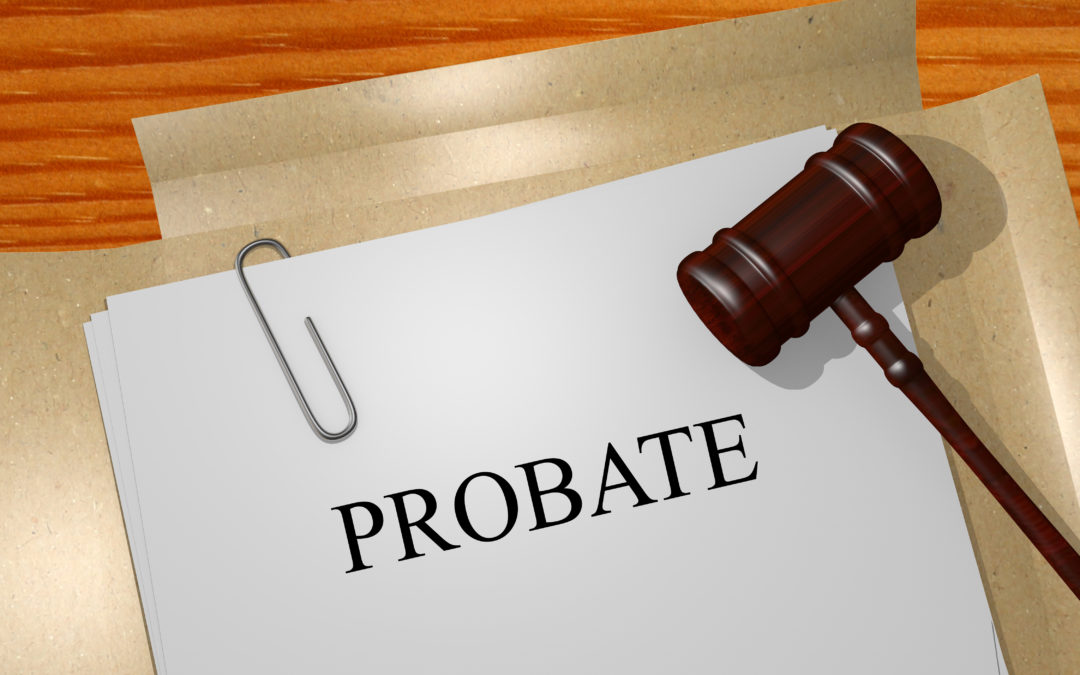
Regardless of whether someone has a will, their family will have to go through probate (but not for assets in a trust … and we’ll get to that ). The purpose of probate is to change ownership of an asset from the name of the deceased to the name of the beneficiary. The...